
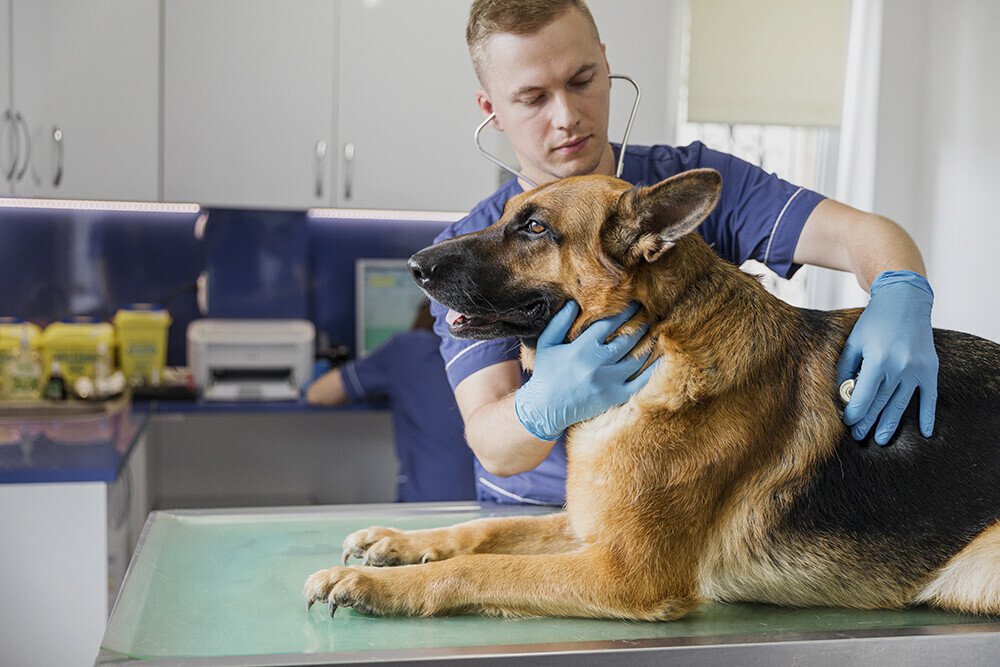

As a veterinarian, you face risks such as hand injuries and physical strain during clinical work. These injuries can affect your ability to perform veterinary duties, so disability insurance provides income protection if you’re unable to work. Coverage becomes particularly relevant when your earnings support housing, student loan repayment, and other regular expenses. Here are a few factors to evaluate when choosing disability insurance for veterinarians:
Compare Occupational Definitions
Veterinary duties involve physical and clinical demands that a disability could affect. The policy’s definition of disability determines how your claim is evaluated. Own-occupation coverage focuses on your ability to perform your veterinary duties, while any-occupation coverage reviews whether you are able to work in another occupation. With any-occupation coverage, a veterinarian who cannot perform surgery may be evaluated differently than someone entirely unable to work.
Although some employers offer veterinary insurance, individual coverage adds another layer of protection when employer benefits use different occupational definitions. Your policy terms determine how disability is evaluated if your veterinary responsibilities change. These details matter as your career moves from supervised training into independent clinical practice.
Review Benefit Periods
Disability insurance for veterinarians often includes an elimination period, which determines how long you must wait before receiving disability income. This waiting period helps establish when a disability qualifies for benefit payments under the policy. Policies also have a set benefit period; this determines how long payments continue after a covered disability occurs. These provisions have different implications during internships, residencies, and established veterinary practice. A policy selected during training may require a different benefit period once the veterinarian enters full-time practice. As income and professional responsibilities increase, reassessing coverage limits and benefit amounts confirms a policy aligns with those changes.
Examine Policy Riders
Disability riders add specific provisions to a policy, and their value depends on your circumstances. Future increase options address situations where veterinary income rises after the original policy begins. Residual disability benefits address reduced earnings when a veterinarian returns to work with limited capacity. Other provisions address different circumstances that affect long-term coverage. Some other riders to review when selecting an insurance policy include:
- Cost-of-living adjustment (COLA)
- Catastrophic disability benefits
- Waiver of premium provisions
Match Coverage to Practice Setting
The type of job you have can impact how disability coverage works for you. An intern or resident does not make the same salary or have the same job responsibilities as an established veterinarian. An employed veterinarian may also have different coverage options and workplace benefits than a veterinarian working in private practice. When you change jobs or move to another practice setting, an individual policy provides coverage independent of your employer. Reviewing policy provisions alongside these career changes helps connect coverage with your current work and professional goals.
Get Veterinary Insurance Guidance
Veterinary-specific insurance guidance addresses circumstances that general financial planning may not fully capture. A veterinarian entering practice has different coverage questions from an established practice owner. Professional guidance becomes more relevant when occupational definitions and veterinary duties directly affect policy selection. Support for veterinary students also connects disability planning with the transition from education into clinical practice.
Individual disability coverage provides benefits directly to the veterinarian rather than relying exclusively on employer-sponsored coverage. Practice-related insurance services also add another planning layer as professional responsibilities expand. Veterinary insurance expertise helps place occupational duties within the context of disability coverage. Policy discussions are more specific when the advisor understands veterinary practice and career progression. This perspective also helps relate individual coverage to changes in employment and practice ownership.
Invest in Disability Insurance for Veterinarians
Disability coverage addresses income protection when an eligible condition prevents a veterinarian from performing covered duties. The right policy structure connects occupational definitions, benefit periods, and available riders with your career stage. These provisions become increasingly relevant as your veterinary income and professional responsibilities change. Explore disability insurance for veterinarians with a qualified insurance professional today.