
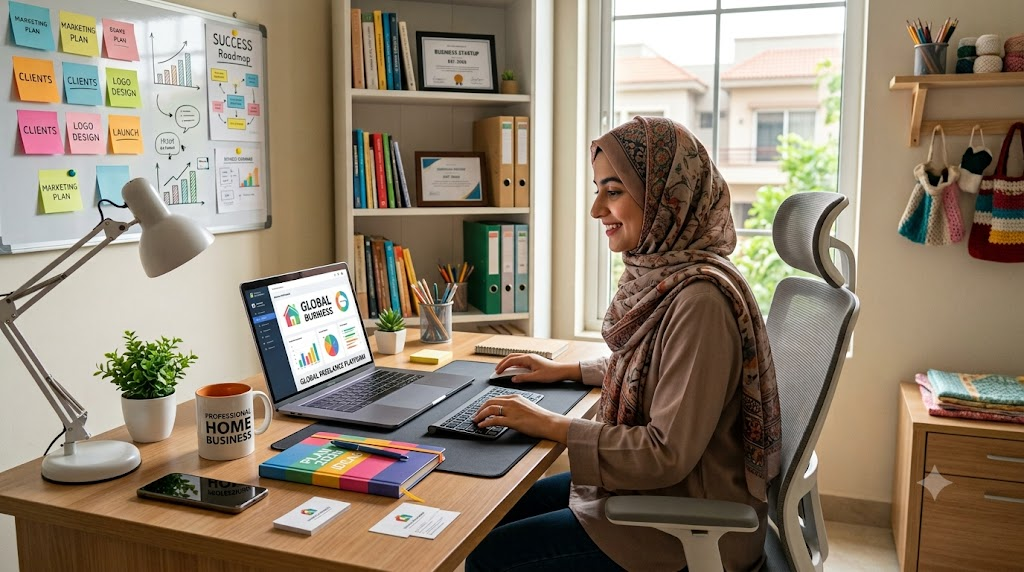

Starting a small business from home has become easier and more practical than ever. Thanks to the internet and modern digital tools, you no longer need heavy upfront capital or a commercial office space to launch a successful venture. If you are wondering how to start a small business from home, this comprehensive step-by-step guide will help you turn your idea into a profitable reality.
Step 1: Choose the Right Business Idea
Every successful business begins with a viable idea. When deciding what to start, assess your skills and passion alongside market demand:
- What are your strengths? (e.g., graphic design, content writing, baking, handcrafting, or virtual assistance)
- What does the market need?
Popular home-based business models include e-commerce stores, freelance service agencies, online coaching, and selling handmade crafts. Choose an idea that sits at the intersection of what you love and what people are willing to pay for.
Step 2: Conduct Market Research
Before investing your time and money, analyze your industry and potential customers:
- Identify your target audience: Determine their age, gender, budget, and specific pain points.
- Analyze competitors: Study other businesses offering similar products or services. Note what they do well and where their service falls short.
Understanding your target market allows you to position your business effectively from day one.
Step 3: Write a Simple Business Plan
You do not need a 50-page corporate document, but having a clear roadmap is essential to stay focused. Your business plan should outline:
- Business Summary: What problem are you solving?
- Products/Services: What exactly are you selling?
- Pricing & Budget: How much will you charge, and what are your startup costs?
- Marketing Strategy: How will you attract your first 100 customers?
Step 4: Plan Your Finances and Budget
One of the biggest advantages of a home-based business is low overhead costs—there is no office rent or utility bill for a separate space. However, you will still need a modest startup budget.
- Account for essential setup costs: Web domain hosting, initial raw materials, software subscriptions, or basic equipment.
- Separate business and personal finances: Open a dedicated bank account for your business expenses and income to simplify tax tracking.
Keep expenses minimal during the initial months and reinvest your early profits back into growing the business.
Step 5: Create a Dedicated Workspace
Working from home brings plenty of distractions. To stay productive and maintain a healthy work-life balance, set aside a specific area in your home exclusively for work.
- Set up an ergonomic chair and desk.
- Ensure a stable, high-speed internet connection and essential devices (laptop, smartphone).
- Treat this area as a professional office to maintain focus throughout the day.
Step 6: Handle Legal and Registration Requirements
Ensure your business complies with local laws and regulations:
- Choose a unique name: Select a memorable name that aligns with your brand.
- Register your business: Depending on your country and structure (sole proprietorship, LLC, etc.), register with the relevant authorities.
- Check local permits: Obtain any required licenses or permits to operate legally from residential areas.
Step 7: Build Your Brand and Online Presence
In today’s digital world, an online presence builds credibility and trust with potential clients:
- Branding: Design a clean, professional logo and choose consistent brand colors.
- Social Media: Set up profiles on platforms where your target audience hangs out (e.g., Instagram, LinkedIn, Facebook, or TikTok).
- Website: Create a simple, functional website or landing page to showcase your portfolio, products, or service offerings.
Step 8: Promote Your Business
Having a great product isn’t enough; you must actively market it to drive sales:
- Content Marketing: Share valuable tips, behind-the-scenes videos, or tutorials related to your industry.
- Word-of-Mouth: Ask friends, family, and past colleagues to spread the word.
- Paid Ads: Allocate a small budget toward targeted social media ads to reach a broader audience quickly.
Step 9: Focus on Customer Service and Feedback
Your first clients are your most valuable asset. Deliver top-quality service, communicate promptly, and ask for testimonials or reviews. Positive customer feedback builds social proof, making it significantly easier to attract new clients.
Conclusion
Learning how to start a small business from home is a journey that requires consistency, planning, and patience. Start small, refine your processes as you gain experience, and scale gradually. With determination and a strategic approach, your home-based business can grow into a thriving full-time enterprise.