
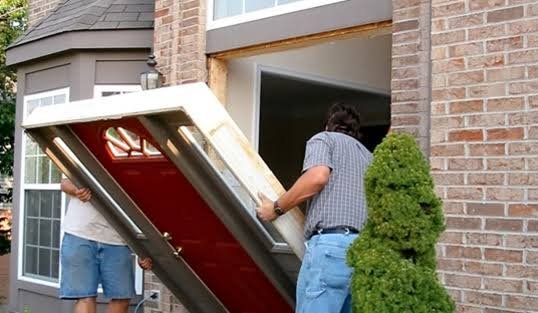

Replacing your door lets you update your home’s entryway and address issues affecting its operation. Front doors typically need replacement when frames rot, sills deteriorate, hardware fails, or seasonal movement throws off alignment. Professional door replacement experts provide efficient installation with careful fitting and finishing to the existing opening. Here is more information on the process of replacing your front door:
Assess Frame Condition
Your existing frame provides the structure where the replacement door will sit and operate. Because rotted jambs or deteriorated sills compromise the installation, they should be repaired or replaced before the new door is positioned. Frame movement also affects alignment, and the opening may no longer be square. A professional assessment examines the rough opening and identifies any areas that require adjustment before installation.
Select Energy-Rated Doors
Your front door selection involves more than appearance, particularly when the entry connects directly to outdoor conditions. Energy-rated exterior doors provide improved insulation performance when energy efficiency is part of your replacement requirements. Pre-hung doors include the door and frame as a complete unit, which helps simplify installation.
Material selection also affects how the replacement door complements your home’s exterior design. Steel, fiberglass, and solid-wood entry doors offer different characteristics, and each material suits different residential applications. Because the existing opening can limit your options, its size and configuration should be evaluated before selecting a door.
Seasonal weather exposure is another factor to evaluate when choosing an exterior door replacement. A professional installation addresses sizing, material selection, frame preparation, and installation as part of one project. The selected door must also fit the existing opening and coordinate with the surrounding exterior finishes.
Finish Door Surrounds
The areas surrounding your front door contribute to its final fit and weather sealing. Because gaps allow air and moisture to enter, weatherstripping helps seal the door perimeter while a door sweep addresses the lower edge. The threshold connects the door with the floor and entry surface, and proper fitting helps create a finished transition. These finishing details support the completed door assembly:
- Weatherstripping: Weatherstripping reduces gaps along the door edges. When properly installed, it reinforces the seal around the opening and helps limit air infiltration.
- Door sweeps: Door sweeps cover the lower edge of the door where air or debris could enter. They also help close the gap between the door and threshold.
- Threshold transitions: Thresholds connect the doorway with the adjacent floor or entry surface. Proper alignment is key because the threshold must work with the door and surrounding flooring.
- Casing and trim: Casing and trim define the visible boundary between the door unit and surrounding wall. Adjustments may be necessary when the existing trim does not align with the replacement door.
Plan Your Door Replacement
A professional door replacement covers the door, frame, hardware, and weatherstripping. Because these components work together, problems with one part can affect the fit and operation of the door. If your front door is deteriorating, shifting, or having hardware problems, schedule an evaluation with a local handyman today.